Recursia
Fine art series
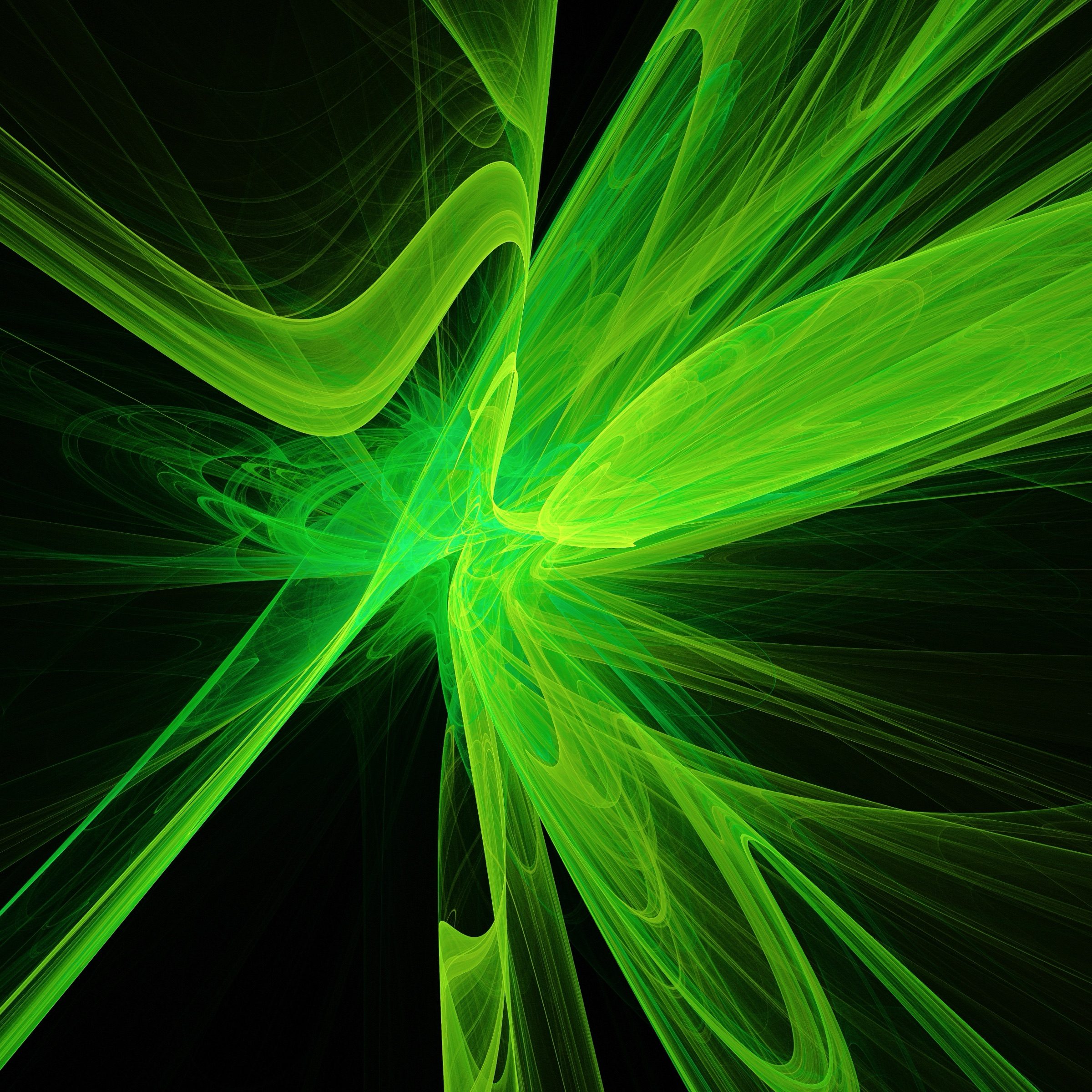
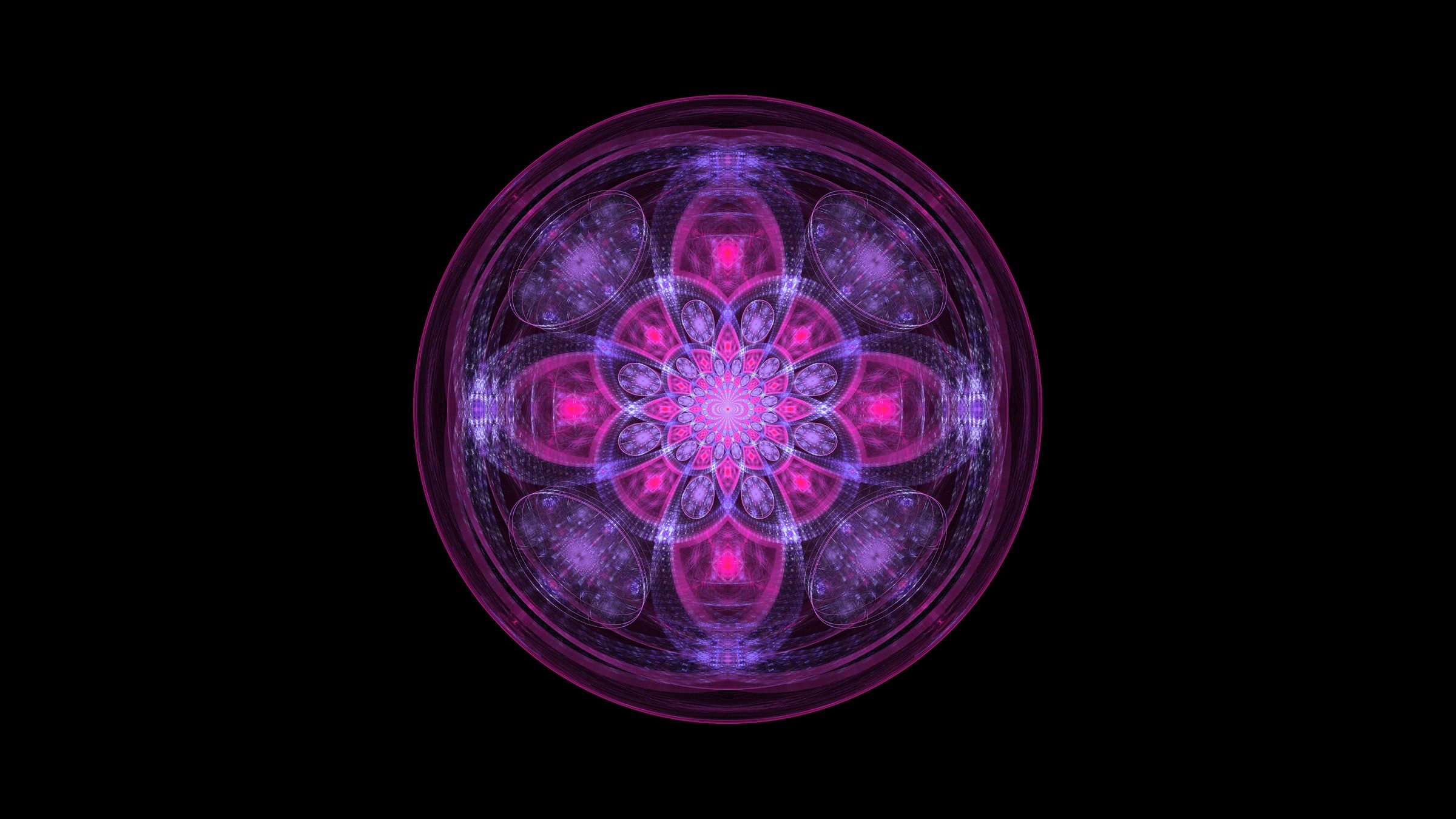
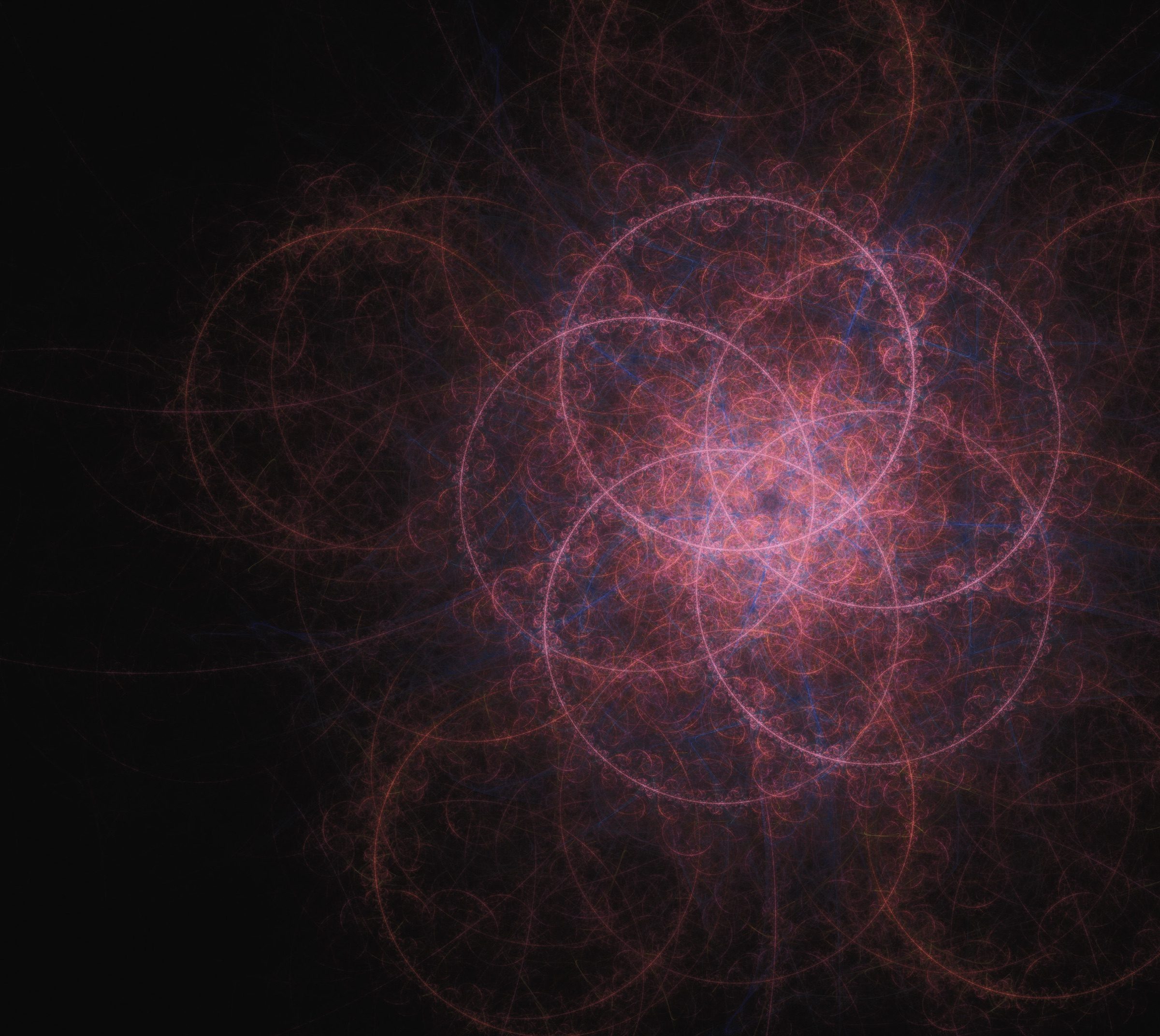
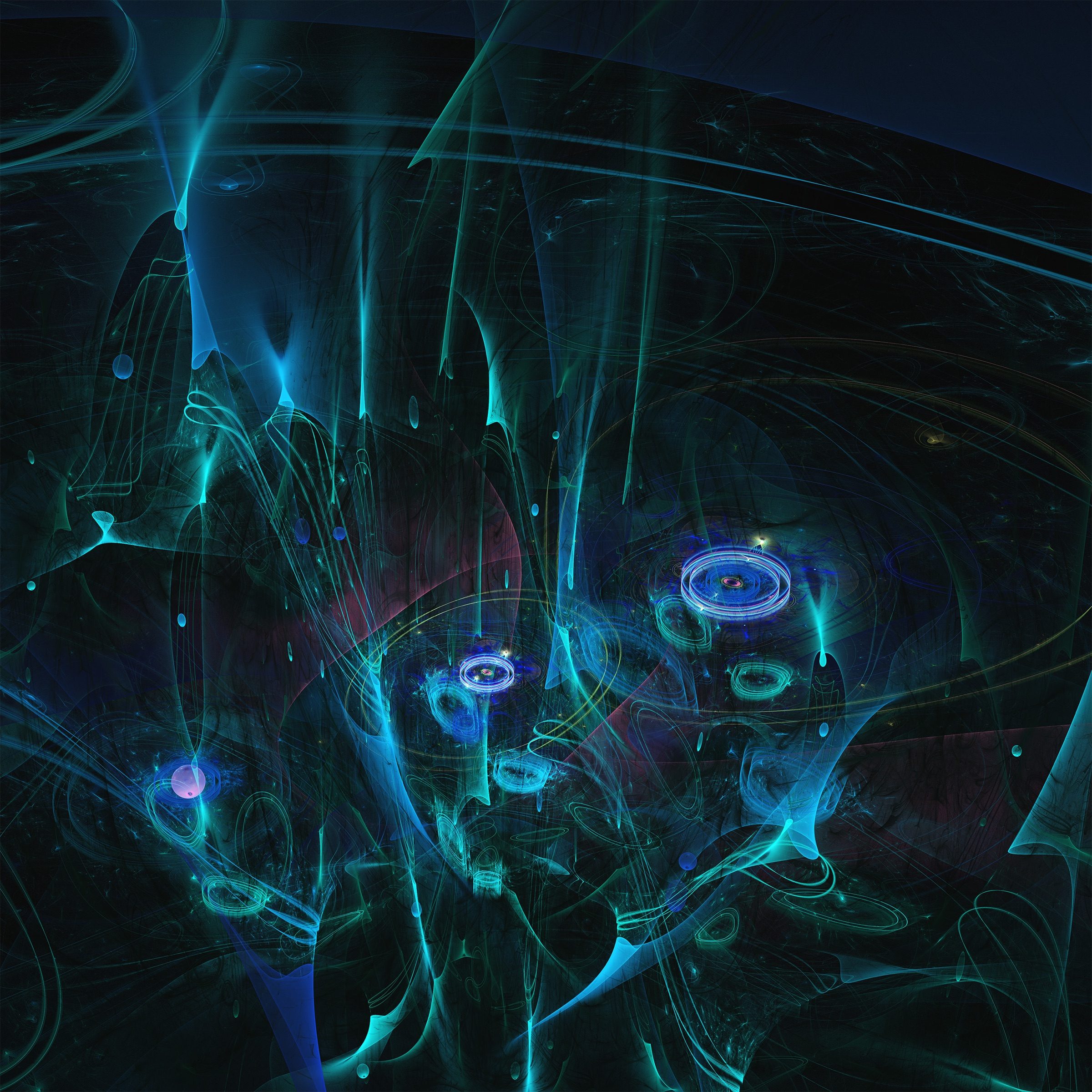
Recursia is a meditation on the boundary conditions which form life and meaning. From the violent birth of life at hydrothermal vents to the recursive architectures of coral, coastlines, and fractals, Recursia traces a throughline of Self-Similarity, revealing existence as an infinite process of iteration and entanglement.
These images are not AI generated.
The Abyss
You are engulfed by a suffocating darkness. The blackness of abyss. Desolate. Dark. Cold. Above you, the weight of the sea, tens of thousands of pounds of pressure, compresses you in all directions. Below you, the Earth roars and tears itself apart, her magma innards spilling into the abyss–the only source of warmth or light. Fighting the pressure, you cleave toward the archean rupture.
Plumes of black smoke violently whorl upwards. The water scalds and freezes around you. As you get closer to the fissure, there's movement. The boundary where magma penetrates the ocean is thick with Life. Communities huddling against one another, feeding off of the mineral-richness created at the radiant edge of chaos.
These extremophiles are Archaea–the abiogenesis; our first experience on Earth. 4.2 billion years ago, the sundering and colliding of Earth's plates beneath the dominion of the ocean created hydrothermal vents. Here, the unfurling and fusing of molecules, new and old, birthed our microbial ancestors. In this smoking Chaos, we learned to live and die with one another.
The nature of the last universal common ancestor and its impact on the early Earth system, 2024
The Tide
The full Moon bathes you in iridescence and beckons the tide closer to her. A coastal zephyr, salt-tinged and pleasantly humid, flutters across your skin. All that can be heard is the swell, crash and drift of the waves. The inhale and exhale of the shore, a melody played by the Moon, Earth and Sea.
Water rushes over your feet and retreats, rushes again; you feel the sand pull beneath you, inviting you to join the dance between Luna and Thalassa. Reverently, you abide, wading into the sacred pool.
Below the surface lies a labyrinthine cathedral. A garden of multicolored, veiny bifurcations sprawling out in every direction, reaching to grasp anything near. These reticulated formations are Cnidaria. Their infinite curls allow a multitude of species–Porifera, Molluscs, Crustacea, Chordata, Cephalopoda, and Zooxanthellae–to blossom.
The Coral are many and one; a collective individual, born at the intersection of the sea and the sky. They are a harmonious "living surface, which attempts to come into as intimate and complete contact as possible with the surrounding medium;" extending and unwrapping iteratively and infinitely, at every scale. Controlled Chaos. Order.
Fractal Dimension of a Coral Reef at Ecological Scales, 1983
The Coast
The Sun irradiates the white powder beneath you. Caressed in its warmth, you hear the breath of the surf and the resulting winds in the grass and trees behind you. Sinuous ripples of cloud swirl into one another high above you. Ahead, the same smooth laminae ripple through the sand.
You spread your fingers into the warm grit. Below the heat, the sand is damp. Cold sediment etches your skin and gathers into the creases of your fingers. In the grains you feel the shape of your skin. Creases of creases, folds of folds, rhyming the undulations surrounding you. The structures beneath your skin recurse the coral beneath the tide. All expressions of the abyss.
The serpentine cusp of the ocean spirals and froths against the shore. Its curves "so involved in their detail that their lengths are often infinite or, rather, indefinable. Each portion, a reduced-scale image of the whole." Sand between his fingers, Benoit Mandelbrot looked deeply into the ripples and whorls in the shifting creases where sand and sea collided. He sat for a while, listening to the tranquil complexity.
What lies between the tide and the sand?
How Long Is the Coast of Britain? Statistical Self-Similarity and Fractional Dimension, 1967
The Geometry of Nature
Your thoughts go quiet in the hum of the IBM 7090. The cold, precise machine cocoons you in mente sua. Thousands of pounds of precious metal, diodes, tapes, and tubes spin, click and whirr at random intervals. The cerebral room you sit in is thinking.
The aftermath of World War II wrought the Age of Information; an intersection of the "logical mind" and the machine. The computing that broke Nazi codes now allowed Science, Technology, Engineering and Math to expand into every niche. Modern medicine saved countless lives while the atom bomb vaporized entire communities. Chaos and Order, exacted.
Or were they? Despite the devastation and miracles born of flesh and binary, attempts to model environments, species, planets, and machines resulted in complete disarray. Carefully plotted data points morphed into regular-yet-irregular patterns; Order begot Chaos. How?
A new sound, as the computer prints the paradox it's been fed: fc(z) = z2 + c. The 7090 ran hundreds of iterations of this equation sequentially, until an image emerged; that which lies between sand and tide. Infinity between spirals, vortices and crevices at the edge of Chaos. A fractal.
Benoit B. Mandelbrot. The Fractal Geometry of Nature, 1983.
Fractals
The hum of the IBM 7090 filled his ears as Mandelbrot surveyed the image. After a lifetime of study and 22 years working at IBM, he had "conceived and developed a new geometry of nature." Mandelbrot called the family of shapes fractals; of the Latin fractus, "to break:" to create irregular fragments.
Iterations of iterations; fractals are everywhere. They are "Infinitely complex patterns that are self-similar across different scales–pictures of Chaos." It is fractal geometry that defines the branches of trees, the flow of galaxies, and the folds of our DNA.
The old sciences: geometry, physics, meteorology, hydrology, anatomy, neurology, linguistics, computer graphics, economics, geology, medicine, physical cosmology, engineering, acoustics, thermodynamics, astronomy, cryptography, and the social sciences would forever be changed. New sciences were born or reinforced: ecology, sociology, cardiology, neuroscience, nonlinear dynamics, Chaos theory.
Order and Chaos together; as one. That is the beautiful and terrifying apotheosis of fractals. Creation and destruction are one harmonious act.
Fractal Foundation, What Are Fractals?
Recursia
The coastline cannot be measured; nor the polyps and branches of Coral. Between all things lies eternity.
In Chaos we emerge, in Order we expand, in Harmony we find ourselves. All in boundary conditions, conflict zones, and edges. I ache to understand the inherent design of existence, to know the powerful space between the tide and the sand, the sun and the Moon, you and I.
Meditating on the intersections of art, math, beauty and science, I've experienced moments in which language and symbolism evaporates. The cool zephyr and the gritty sand collapsing any semblance of my individuality. All that remains is connection, love, understanding. Empathy for the whole of life and its diverse forms. A complete dissolution of difference between the internal and external.
Within the apparent randomness of chaotic complex systems, there are underlying patterns, interconnection, and what Donna Haraway might call sympoiesis, or a "making-with." The 19th century Reductionists disregarded the raw Chaos of nature when it confronted them. In the 20th century, the Chaoticians saw that Chaos was also Order.
We exist in the tide of the planet's dynamic cycles. The Chaos of the archaic, ancient Earth still pulses beneath our feet; a violent, expansive dance of creation, exploration, destruction. We are born of the boundary between Earth, magma and ocean; a beautiful, generative conflict that continues to create new beings, ideas, systems, and movements across infinite scales.
When I see the trees bursting forth from the Earth, arms resembling our own nervous systems, stretching up to touch the sun–I know we are the same. The currents in the sky, mirroring the ocean's moisture, rippling and whorling in the same shape as my feelings. We are all fluid recursions of one infinite form. This, is Recursia.